ترجمه فارسی ریدینگ شماره 2 آزمون زبان عمومی دکتری علوم انسانی 1401
A Neuroscientist Reveals How To Think Differently
یک متخصص مغز و اعصاب فاش کرد که چگونه متفاوت فکر کنیم
A neuroscientist reveals how to think differently
In the last decade a revolution has occurred In the way that scientists think about the brain.
در دهه گذشته تحولی در روشی که دانشمندان درباره مغز تصور می کردند، ایجاد شد. We now know that the decisions humans make can be traced to the firing patterns of neurons in specific parts of the brain.
ما حالا می دانیم که میتوان تصمیماتی که انسانها می گیرند را ردیابی کرد تا به الگوهای ارسال شده از اعصاب در بخش خاصی از مغز رسید. These discoveries have led to the field known as neuroeconomics, which studies the brain's secrets to success in an economic environment that demands innovation and being able to do things differently from competitors .
این کشفیات منجر به رشته ای به نام اقتصاد عصبی شده که در آن اسرار مغز برای موفقیت در یک محیط اقتصادی که نیازمند مشارکت و توانمندی برای انجام چیزها به شکلی متفاوت از رقبا است، مطالعه میکند. A brain that can do this is an iconoclastic one.
مغزی که توانایی این کار را دارد از نوع آیکونوکلاست (بت شکن) است. Briefly, an iconoclast is a person who does something that others say can't be done.
به طور خلاصه یک آیکونوکلاست، شخصی است که کاری انجام میدهد که دیگران می گویند نمی توانند. This definition implies that iconoclasts are different from other people, but more precisely, it is their brains that are different in three distinct ways: perception, fear response, and social intelligence.
این تعریف بیان می کند که آیکونوکلاست ها نسبت به اشخاص دیگر متفاوت هستند اما اگر دقیق تر شویم مغز آنها است که به سه روش متفاوت از دیگران است: درک، پاسخ به ترس و هوش اجتماعی. Each of these three functions utilizes a different circuit in the brain.
هر کدام از این سه وظیفه، مدار متفاوتی در مغز به کار می برند. Naysayers might suggest that the brain is irrelevant, that thinking in an original, even revolutionary, way is more a matter of personality than brain function.
بدبینان ممکن است بیان کنند که مغز ارتباطی با این موضوع ندارد و فکر کردن در اصل و حتی با ایجاد تحول، بیشتر از اینکه وظیفه مغز باشد، یک موضوع شخصی است. But the field of neuroeconomics was born out of the realization that the physicalworkings of the brain place limitations on the way we make decisions.
اما رشته اقتصاد عصبی با توجه به این حقیقت به وجود آمد که کارهای فیزیکی که مغز انجام میدهد، روی نحوه تصمیمگیری ما تاثیر می گذارد. By understanding these constraints, we begin to understand why some people march to a different drumbeat.
با درک این محدودیت ها ما متوجه می شویم که چرا برخی افراد، ساز ناکوک میزنند. {متفاوت از ما فکر میکنند.} The first thing to realize is that the brain suffers from limited resources.
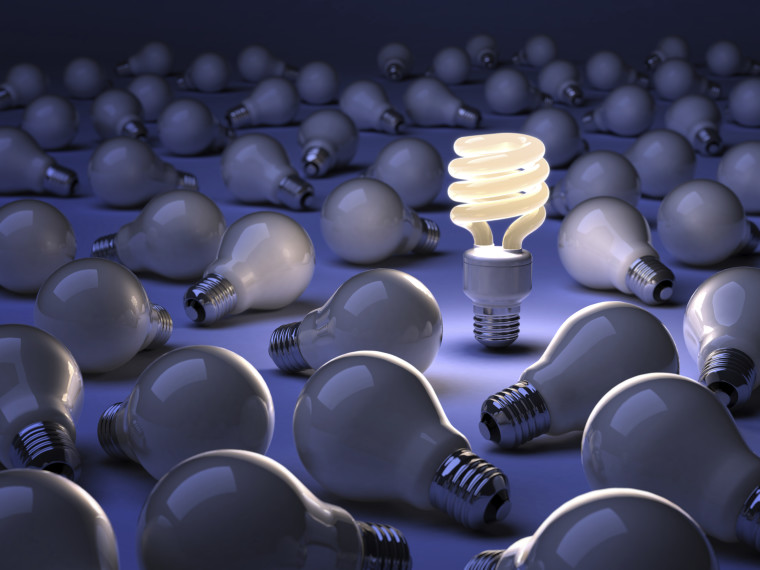
اولین چیزی که باید درک کنیم این است که مغز از منابع محدودی استفاده می کند. It has a fixed energy budget, about the same as a 40 watt light bulb, so it has evolved to work as efficiently as possible.
دارای مقدار انرژی ثابتی در حدود یک لامپ روشنایی ۴۰ وات است و تا جایی که بتواند سعی میکند با بازدهی بالا کار کند. This is where most people are impeded from being an iconoclast.
همین جاست که اکثر افراد از آکونوکلاست بودن باز می مانند. For example, when confronted with information streaming from the eyes, the brain will interpret this information in the quickest way possible.
به عنوان مثال، وقتی که مغز با اطلاعاتی که از چشم ها به آن رسیده روبه رو می شود، این اطلاعات را به سریع ترین روش ممکن تفسیر می کند. Thus it will draw on both past experience and any other source of information, such as what other people say, to make sense of what it is seeing.
بنابراین، هم در تجربیات گذشته و هم روی منابع اطلاعاتی دیگری مانند آنچه که افراد دیگر گفته اند؛ جستجو می کند تا از آنچه که دیده یک مفهوم معقول بسازد. This happens all the time.
این کار، مدام اتفاق می افتد. The brain takes shortcuts that work so well we are hardly ever aware of them.
مغز، میانبرهایی برای کار کردن خود ایجاد می کند که ما به سختی حتی از از وجود آنها آگاه می شویم. We think our perceptions of the world are real, but they are only biological and electrical rumblings.
ما فکر میکنیم ادراک ما از جهان، واقعی است اما این ادراک، فقط لرزش های الکتریکی و بیولوژیکی است. Perception is not simply a product of what your eyes or ears transmit to your brain.
ادراک صرفاً محصول آنچه که چشم های شما یا گوش های شما به مغزتان منتقل می کند، نیست. More than the physical reality of photons or sound waves, perception is a product of the brain.
ادراک بیشتر از واقعیت فیزیکی فوتون ها یا موج های صدا، محصول مغز است.
دانلود صوت بررسی لغات passage 2 آزمون دکتری علوم انسانی زبان انگلیسی عمومی 1401
در این صوت، می توانید به بخش دوم قسمت reading گوش کنید.
In the last decade a revolution has occurred In the way that scientists think about the brain
We now know that the decisions humans make can be traced to the firing patterns of neurons in specific parts of the brain. These discoveries have led to the field known as neuroeconomics, which studies the brain's secrets to success in an economic environment that demands innovation and being able to do things differently from competitors. A brain that can do this is an iconoclastic one. Briefly, an iconoclast is a person who does something that others say can't be done
This definition implies that iconoclasts are different from other people, but more precisely, it is their brains that are different in three distinct ways: perception, fear response, and social intelligence. Each of these three functions utilizes a different circuit in the brain. Naysayers might suggest that the brain is irrelevant, that thinking in an original, even revolutionary, way is more a matter of personality than brain function. But the field of neuroeconomics was born out of the realization that the physical workings of the brain place limitations on the way we make decisions. By understanding these constraints, we begin to understand why some people march to a different drumbeat
The first thing to realize is that the brain suffers from limited resources. It has a fixed energy budget, about the same as a 40 watt light bulb, so it has evolved to work as efficiently as possible. This is where most people are impeded from being an iconoclast. For example, when confronted with information streaming from the eyes, the brain will interpret this information in the quickest way possible. Thus it will draw on both past experience and any other source of information, such as what other people say, to make sense of what it is seeing. This happens all the time. The brain takes shortcuts that work so well we are hardly ever aware of them
We think our perceptions of the world are real, but they are only biological and electrical rumblings. Perception is not simply a product of what your eyes or ears transmit to your brain. More than the physical reality of photons or sound waves, perception is a product of the brain
(1) (با فعل مفرد) اقتصاد خرد، اقتصاد ذرهای، ریزمانبد (در برابر: اقتصاد کلان یا کلان مانبد macroeconomics).
https://nbml.ir/fa/posts/What-Is-Neuroeconomics
(2) بُت شکن.
(3) اجبار، اضطرار، فشار، قید، گرفتاری، توقیف.
(4) بیربط، پرت، نامربوط، پریشان، گردشکننده، سیار، هرزهرو
(5) واحد شدت نور وارده به شبکیه چشم، فوتون
* آن صفحه ای که در ابتدای صوت عرض کردم که این متن از آنجا گرفته شده است.
https://mini-ielts.com/283/view-solution/reading/a-neuroscientist-reveals-how-to-think-differently
* ترجمه فارسی متن بالا به صورت کامل در این پست، قابل مشاهده است:
ترجمه فارسی ریدینگ شماره 2 آزمون زبان عمومی دکتری علوم انسانی 1401
حجم: 8 مگابایت
مدت زمان: 20 دقیقه
دانلود صوت passage 2 آزمون دکتری علوم انسانی زبان انگلیسی عمومی 1401
در این صوت، می توانید به بخش دوم قسمت reading گوش کنید.
بررسی واژگان در صوت های بعدی انجام خواهد شد، إن شاء الله.
In the last decade a revolution has occurred In the way that scientists think about the brain
We now know that the decisions humans make can be traced to the firing patterns of neurons in specific parts of the brain. These discoveries have led to the field known as neuroeconomics, which studies the brain's secrets to success in an economic environment that demands innovation and being able to do things differently from competitors. A brain that can do this is an iconoclastic one. Briefly, an iconoclast is a person who does something that others say can't be done
This definition implies that iconoclasts are different from other people, but more precisely, it is their brains that are different in three distinct ways: perception, fear response, and social intelligence. Each of these three functions utilizes a different circuit in the brain. Naysayers might suggest that the brain is irrelevant, that thinking in an original, even revolutionary, way is more a matter of personality than brain function. But the field of neuroeconomics was born out of the realization that the physical workings of the brain place limitations on the way we make decisions. By understanding these constraints, we begin to understand why some people march to a different drumbeat
The first thing to realize is that the brain suffers from limited resources. It has a fixed energy budget, about the same as a 40 watt light bulb, so it has evolved to work as efficiently as possible. This is where most people are impeded from being an iconoclast. For example, when confronted with information streaming from the eyes, the brain will interpret this information in the quickest way possible. Thus it will draw on both past experience and any other source of information, such as what other people say, to make sense of what it is seeing. This happens all the time. The brain takes shortcuts that work so well we are hardly ever aware of them
We think our perceptions of the world are real, but they are only biological and electrical rumblings. Perception is not simply a product of what your eyes or ears transmit to your brain. More than the physical reality of photons or sound waves, perception is a product of the brain
حجم: 4.5 مگابایت
مدت زمان: 6 دقیقه
دانلود صوت passage 1 آزمون دکتری علوم انسانی زبان عمومی 1401
دانلود صوت passage 1 آزمون دکتری علوم انسانی زبان انگلیسی عمومی 1401
در این صوت، می توانید به بخش اول قسمت reading گوش کنید
بررسی واژگان در صوت های بعدی انجام خواهد شد، إن شاء الله
Researchers recently gave 1,000 people a questionnaire about ‘Cities of The Future’. To answer the questions, the people had to imagine and describe what they thought our cities might look like in the year 2050. Interestingly, a large number of people were anxious that they would become ‘dark, dangerous places’, which had endless traffic jams and very few green spaces. This group also predicted an increase in the level of pollution and thought people would always need to wear facemasks in order to breathe. They also believed that it would be less safe to walk on the street as there would be ‘more stealing’ and other criminal behaviour. A smaller number thought cities might become a lot cleaner, and might be built from more interesting materials. They were also looking forward to new technology such as flying cars and moving pavements. In general, they believed that the cities of the future would offer a much more convenient way of living. A few people were uncertain; for example, they thought the size of apartments might reduce as the population of the city grew, but they also thought that public transport would become better
What do the results from this questionnaire tell us? In a way, we shouldn’t be amazed by the descriptions of the largest group. So many Hollywood films show cities of the future as frightening places. Online newspapers are also responsible for spreading this same belief. Headlines such as ‘Global population rises – cities become crowded’ are becoming more frequent. Journalists rarely discuss how future cities might be a good place to live
The facts are these: 50% of people now live in cities, even though cities only occupy 2% of the world’s land. By 2050, it is predicted that the number of people living there will rise to 70%. Some people are worried that villages in the countryside will become empty as everyone leaves for the city, and so traditional ways of life will be lost. This may be true, but we have to accept changes like this as part of human development. Rather than being negative, we should be hopeful that we can improve people’s lives as they move to cities. The way to do this is through intelligent planning
حجم: 4.5 مگابایت
مدت زمان: 6 دقیقه


راهنمای آزمون ارشد و دکتری رشته علوم قرآن و حدیث+مطالب آموزنده قرآنی و حدیثی+علایق شخصی